
It’s been a couple of weeks since my last post. There is a legitimate reason for this and it is relevant. It’s not an excuse, honestly.
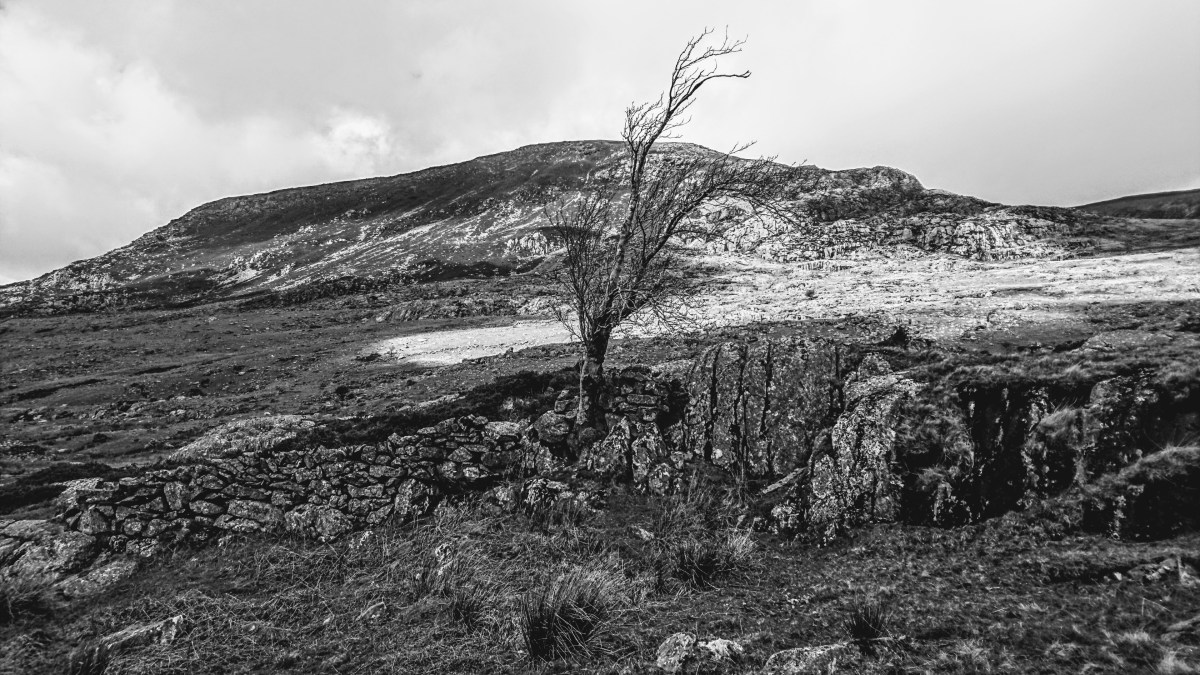
Radio silence was the fault of spending four days and three nights in the mountains. I’ve been trying to get away since winter really and booked a week off work to get some quality hikes in. The planning of the trip was quite full on. Booking the campsite was easy, but it was the three or four days leading up to the trip that required the most organisation. I like to think I’m well organised, but I have been known to forget obvious things. Example one; there was the time I drove 20 miles to watch and photograph a friend’s band, only to discover as they walked out on stage that my camera battery was at home, still charging. Example two; the time I drove 100 miles for a weekend away taking part in a civilians version of a military test march, only to discover that the bag with all of my (quite expensive) nutrition for the march was still at home.
For this reason, I am quite methodical in the way I pack for trips. I pack in stages, after a few days making lists of what to take. If I don’t pack in stages, or leave those stages half complete, I’m that scatty that I’ll return to the task and completely lose my train of thought and overlook something blinking obvious. Think walking boots, maps, tent.
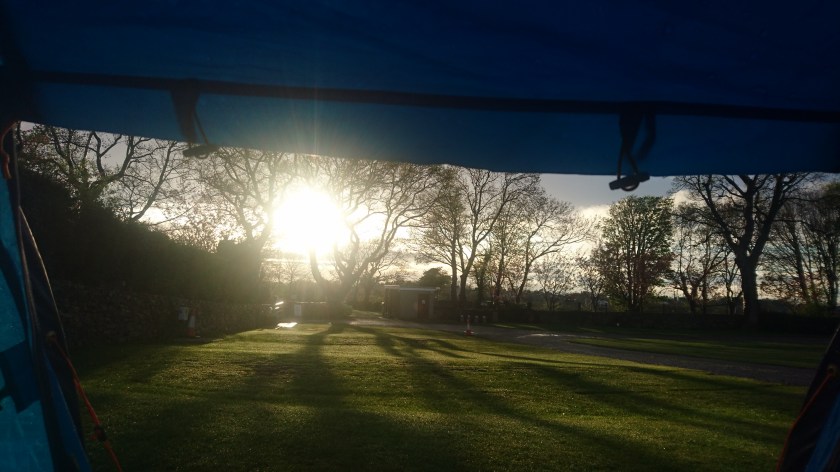
This trip was particularly difficult to pack for because it involved three things – the tent and all the camping paraphernalia, the clothing and equipment for three separate hikes, and clothing and other items for the day-to-day activities. I had to start very slowly and be very thorough, and I am proud to say, didn’t miss a thing.
The biggest part of the planning process was actively planning each hike. And we’re not talking about grabbing a map, choosing where to go, and following it without getting lost. Those simple days are behind me! Those wonderful lowland walks. Gone. No, in the mountains, every step must be planned, distances, expected timings, speed, elevation climbed, compass bearings and weather conditions. Not everything goes to plan however, as my account of the week will reveal.
Whilst the hills and mountains can’t be made 100% safe, the risks we take while there can be minimised. One way of doing this is having a contactable person elsewhere who knows exactly where you are and where you last were, so if you’re not back when you said you were going to be back, the appropriate action can be taken.
I had a very pleasant, but at times, testing, three days, which I will describe in the following three blogs in the coming weeks.
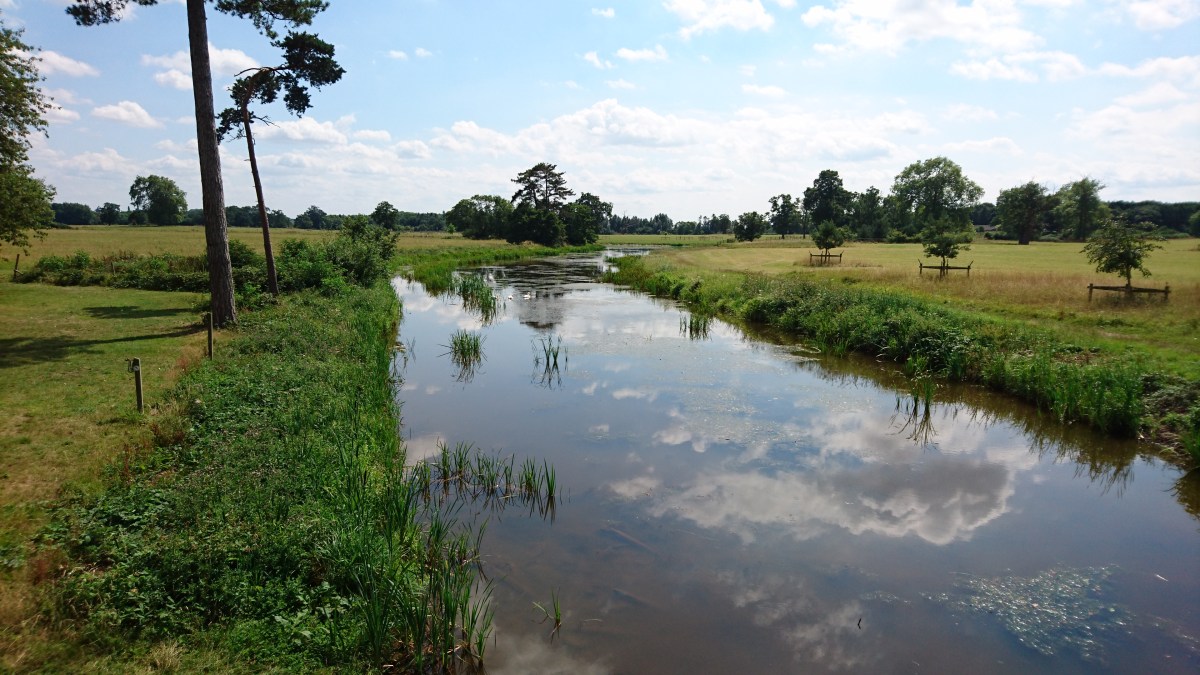
 My Outdoor Living Room