Have you been on holiday?
That’s what a few of my colleagues have been saying to me lately.
Have you been away?
I’d like to think it’s because something terrible has gone wrong and their first thought is that it can only have occurred because I wasn’t there. As I haven’t been on holiday relatively recently, if anything has gone boob up, chances are it happened because I was there.
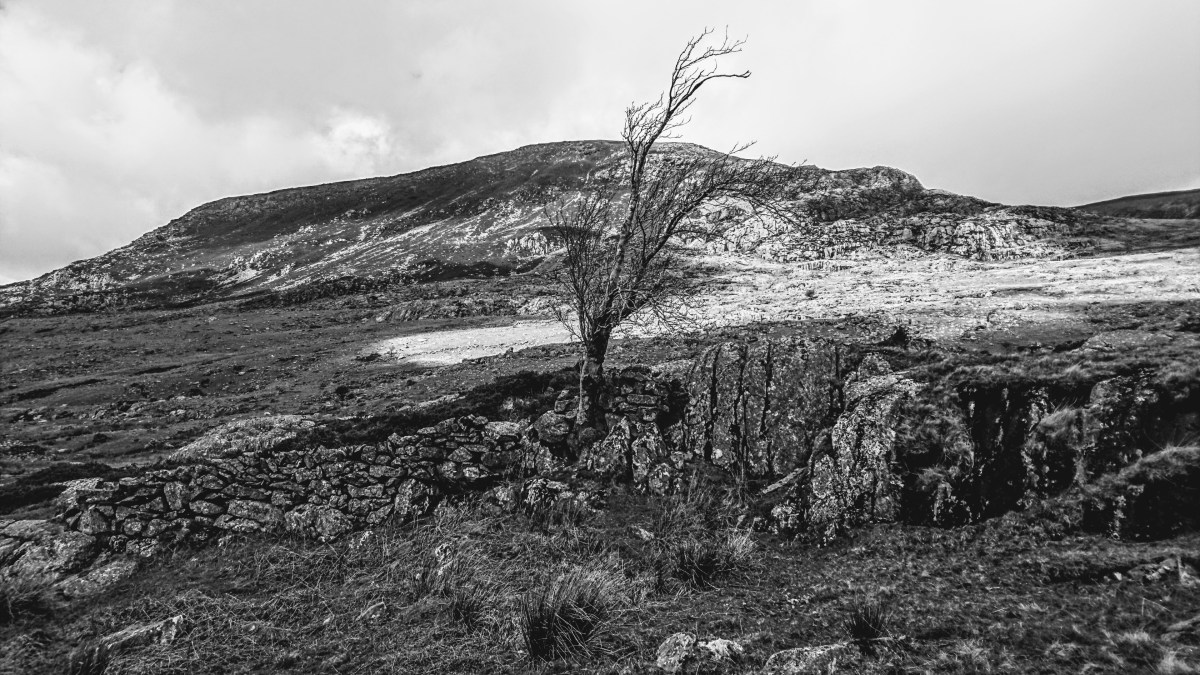
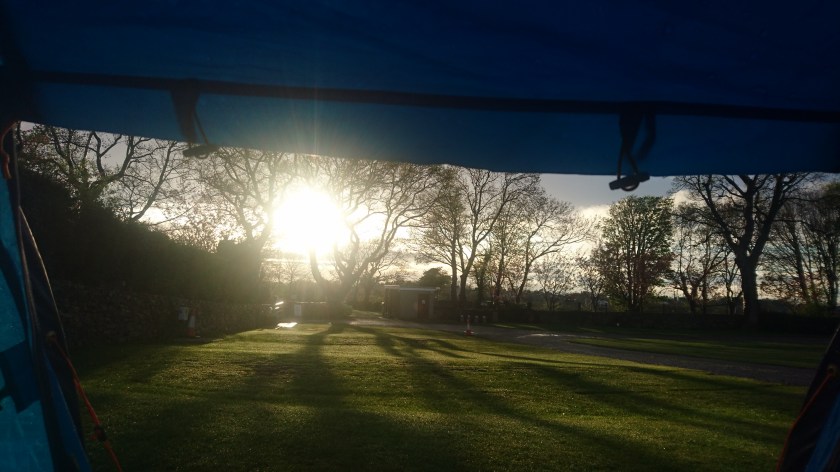
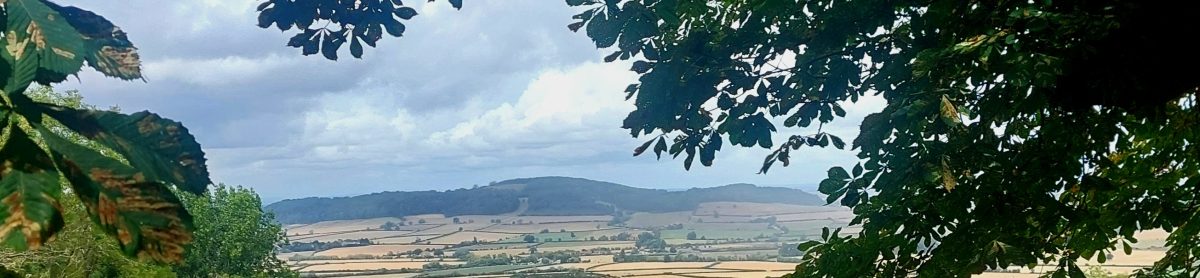
No, of course, they are referring to my natural tan. Being fair in complexion, I am prone to sunburn. When I used to burn, I burned, then peeled, then went back to pale again. But over the last eight or nine years since I seriously ramped up the running, hiking, cycling and alotmenteering, I have began to look decidedly grubby. I am proud of my cyclist’s tan, runner’s tan and general tan. Spending more and more time outdoors has made me look a bit more healthy. It’s not just on the outside however. Being an outdoorsy type is good for your mind. It’s no secret anymore that sunlight equals vitamin D which is good for your happiness levels amongst other things.
I like having an outdoor mind set too. If you’re the same as me, you will know where I am coming from. That kind of train of thought throughout the day that thinks in terms of contour lines, places to go, the fresh air in general. Conversation in the communal kitchen with me can soon turn to stories of weekend adventures, not what has been happening on the already-slated-by-me Love Island.
I find l loving the outdoors guides my decisions and even my wardrobe. I work in an office. Not a very creative environment, although it is meant to be and is viciously sold to our clients as one, and every bloke there wears pretty much the following: smart shoes, jeans, checked shirt. Attack of the clones. I, and one more guy, who incidentally is NOT an outdoorsy type (unless you count beer gardens and barbeques) wear shorts, and, wait for it…flip flops. Yes, in our minds, we are outdoors on the beach. We get stick for it, but I’d rather break rank and have an identity than cower in the safety of dressing like a lumberjack.
Keeping fit used to be my other thing. The thing I did when I wasn’t at work, and the thing I talked about and thought about when I was at work. Then a change happened. The more I kept fit outdoors, the more time I spent outdoors. Soon enough, the outdoors became my thing. It’s like a disease with next to no cure at all. But what a disease to have! Imagine if it was an epidemic, what do you think the world and its people would be like? Would we still be money and status driven? I think it would be a world where nature and environmental issues would take precedent, with the majority protecting their favourite spaces, and their decisions being driven by their love of the outdoors. It sounds a bit hippy-like, but can you picture a whole people wearing flip flops in high powered jobs? I can!